Coming 2026 in English
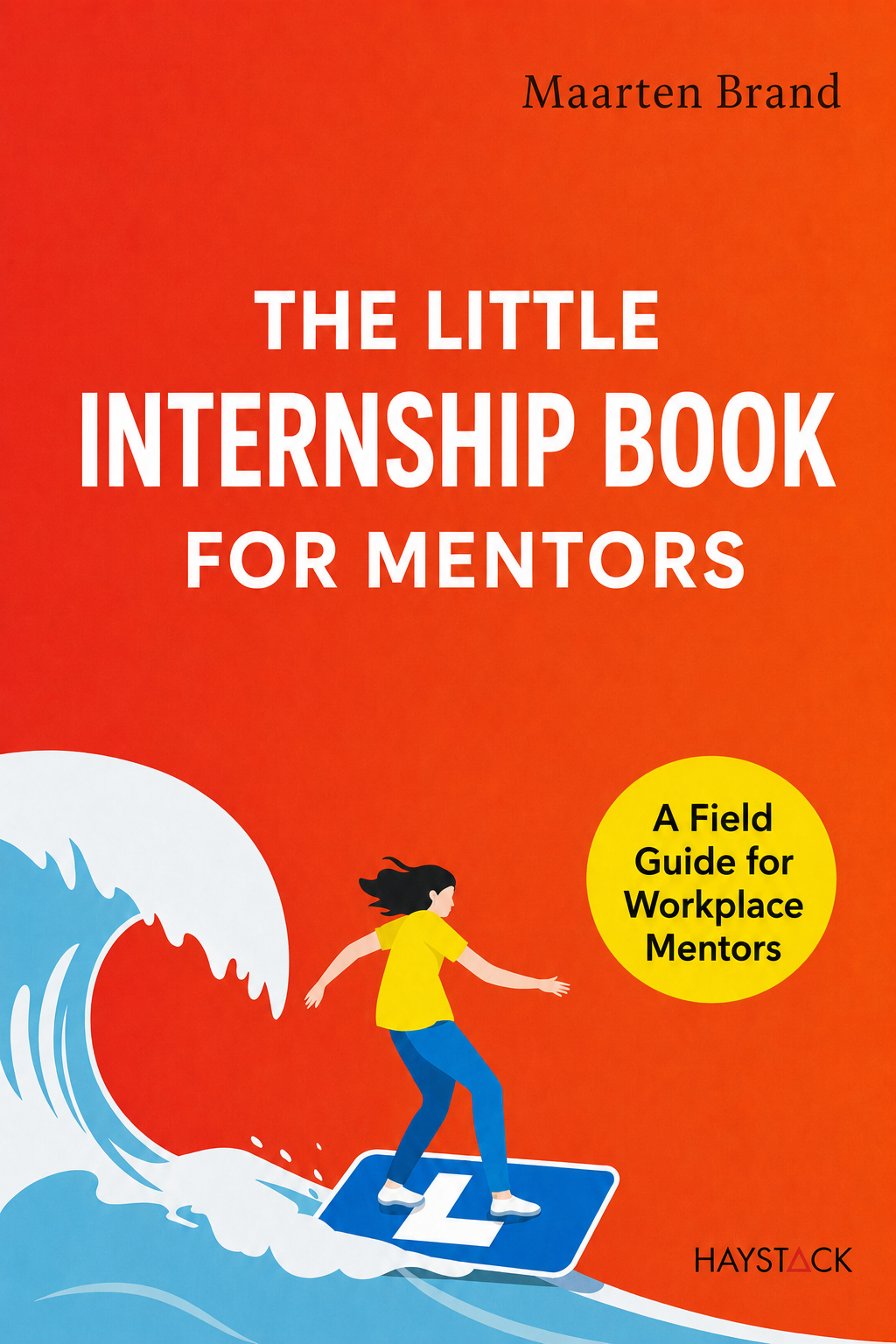
The Little Internship Book for Mentors. A Fieldguide.
A field guide for everyone who is a mentor. Sometimes on purpose. Sometimes by accident. Twenty-two real dilemmas, a pocket-sized toolbox, and the kind of honesty no policy note will give you.
What it is
The book that actually behaves like an internship.
Most books on workplace mentoring read like an HR policy document on a sleepy Tuesday afternoon. This one does not. It describes the daily reality of being a mentor. The intern who gets lost on the way to the toilet on day one. The colleague who, three weeks in, mutters “oh right, that one was still around…”. The supervisor who suddenly has to give feedback to someone half their age and twice their tempo.
It is a mix of recognisable insights and a touch of irony. Solid where it needs to be, with checklists, QR codes and evidence behind it. Light where it can be, because no one needs another doorstop disguised as a handbook.
The result reads like an internship itself. Chaotic, funny, occasionally annoying, but always instructive.
Why this book is different
Stories, not schemas.
Twenty-two real dilemmas, gathered from a thousand company visits. The intern who is late every day for a reason no one asked about. The student who answers your considered question with “OK boomer”. You will recognise more than you would like.
A pocket knife, not a manual.
Read it cover to cover, or open it the moment your intern does something that makes you think: help, what now? Short summaries that fit on a post-it. Self-scans, checklists and conversation prompts when you need them.
Evidence, without the jargon.
Built on twenty-five years of fieldwork and the wider research on workplace learning. Every claim is grounded. None of it sounds like it. You will not have to look up what anyone means by “the ontological validity of the learning process”.
Sample
Dilemma 1. How do I keep the relationship with the school going?
You know the moment. You are halfway through a deadline, the printer has jammed, and that is when the teacher calls. “Just a quick word about your intern…” You think: I do not even know how I am doing.
For some companies, the school is the police. An institution that turns up to check whether everything is being done by the book. A bogeyman with a checklist. For others, the school is a partner. Someone who helps when you get stuck, who provides context, who understands what is going on inside students’ heads.
The truth? They are both. Sometimes they show up with a whistle and a yellow card. Sometimes to put an arm round your shoulder.
An internship coordinator at a college got a call from a mentor at an advertising agency. The mentor had had enough. His intern was late every day. Five minutes, ten minutes, sometimes half an hour. He had already told the intern it might be better to stop. Until the coordinator explained what was going on. The intern was a carer for his mother. He had to help her every morning before he could leave the house. Not an excuse, not unwillingness. Pure overload.
That is when the penny dropped. Being late was not a sign of disinterest, but the result of a practical problem. A problem the student needed the courage to share. Practical problems can be solved: a later start, agreements about catching up, flexible hours. Of course the company wanted to help. But they had to know about it first.
From Chapter 5, Embrace the Discomfort.
Inside the book
A three-stage rocket.
First, the basics. Then, the practice. Finally, the depth. You will not need everything in the toolbox at once, but there is always something in there that helps.
-
Stage oneThe basicsRoles, building blocks and lenses. The engines that get the rocket off the ground. What mentoring really is, what makes a workplace a friendly or a hostile learning environment, and why safety is the foundation everything else stands on.
-
Stage twoThe practiceTwenty-two real situations submitted by working mentors. The school that calls at the worst possible moment. The intern you simply cannot read. The colleague who treats your intern like seasonal capacity. Each one with what to do, what not to do, and a short summary you can keep.
-
Stage threeThe depthReflection, pitfalls, a glossary and a toolbox. Self-scans, checklists, conversation tips and QR codes. The capsule that keeps you flying when the obvious answers run out.
About the author
Twenty-five years inside a thousand workplaces.
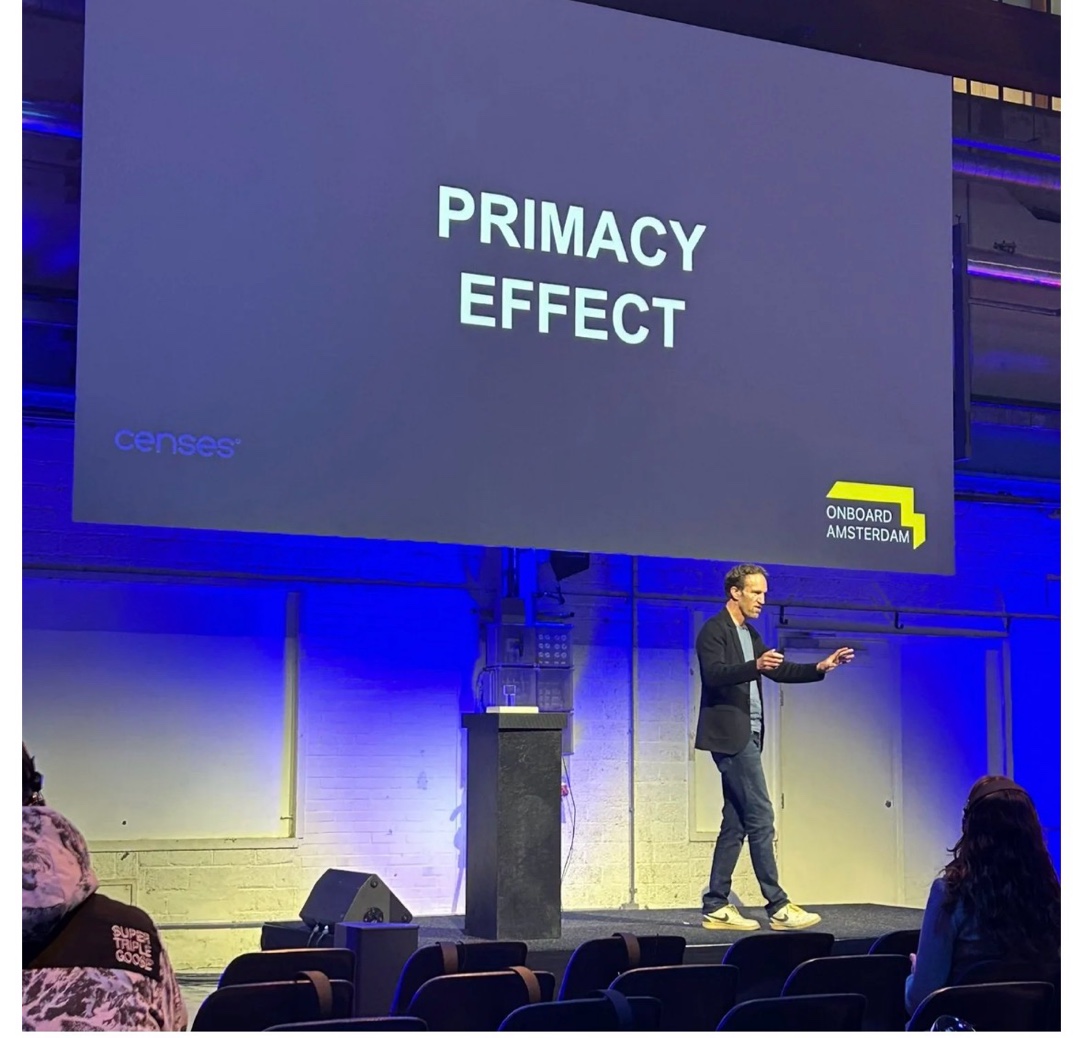
Maarten Brand has spent his career inside the places where people actually learn at work. He has visited more than a thousand companies, talked with thousands of mentors, and watched what works and what quietly does not.
His previous book on internships, written for employers, became a bestseller and was nominated for the Dutch Management Book of the Year. This new book picks up where that one left off. It moves from the policy floor to the workshop floor. From processes to people.
He writes a weekly newsletter, The Art of the Internship, and speaks across Europe on workplace learning, mentoring and what the next generation actually needs to start well.
Pre-order
Be first to read it in English.
The English edition arrives in 2026. Leave your details and you will hear the moment it is available, with an early-reader option for international institutions and a bulk price for teams. Quietly. No spam, no marketing series.